
- November 14, 2024
- By Stephanie Shonekan and Adam Seagrave
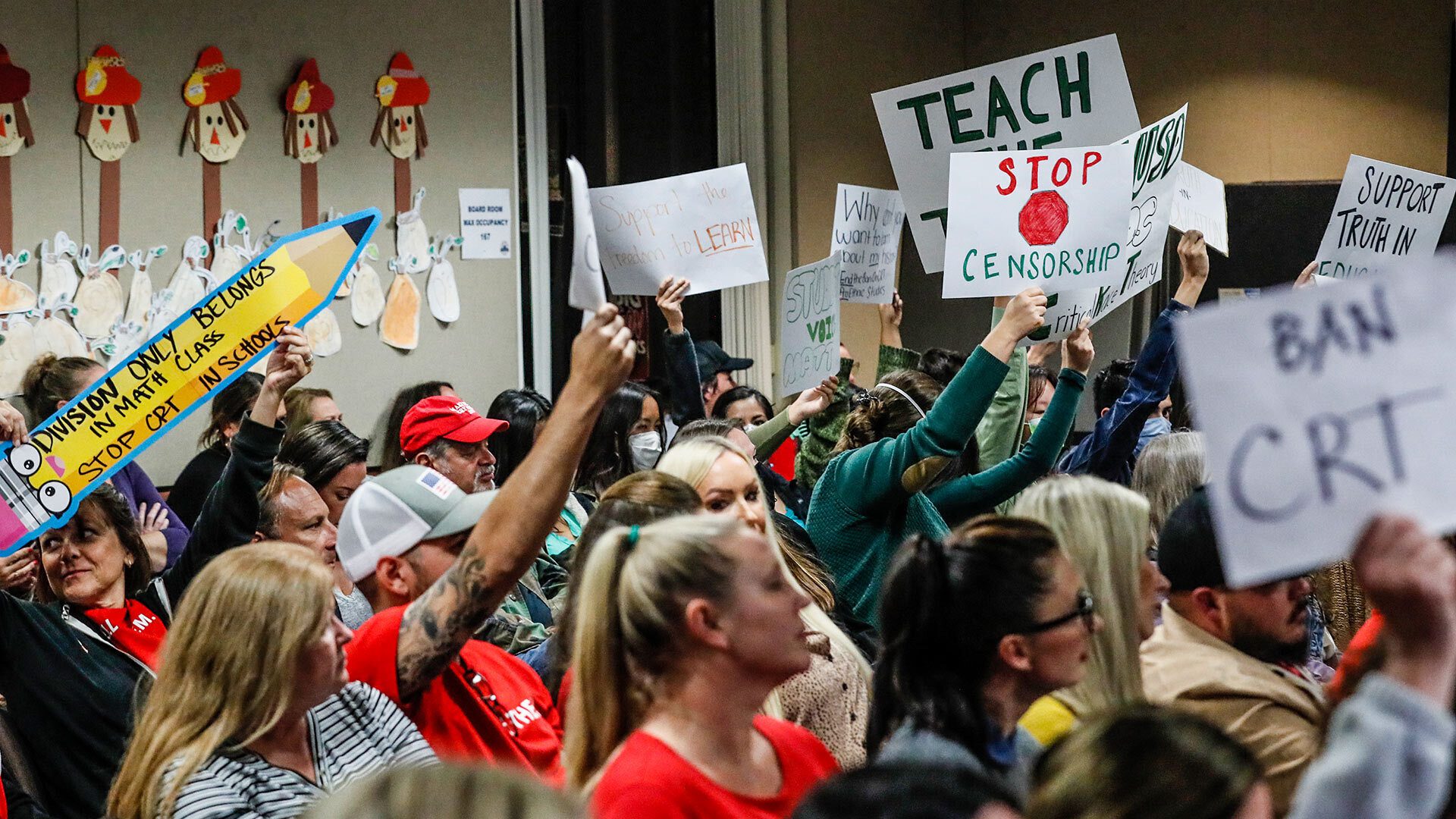
Teaching about race in today’s polarized political and social climate is so difficult that many educators simply avoid it, write Stephanie Shonekan, dean of the College of Arts and Humanities, and Adam Seagrave, associate professor in the School of Civic and Economic Thought and Leadership at Arizona State University, in a new essay in The Conversation.
The pair co-authored the 2024 book “Race and the American Story” and previously taught at the University of Missouri, where they developed a successful course that approached race in a thoughtful, nuanced way. Their aim: to build bridges between people of different perspectives based on a commitment to justice and genuine cross-racial conversation. But too often, they write, K-12 educators are asked to use materials that take extreme positions on the role of race in the nation’s history.
On one side, some schools have begun instituting curricula inspired by Howard Zinn’s 1980 book “A People’s History of the U.S..” Zinn’s text surfaces the stories of people overlooked by most historical accounts, from the Tulsa Race Massacre of 1921 to the 1960s California farm workers’ movement led by Cesar Chavez.
Curricula based on Zinn’s work – for example, California’s ethnic studies program – complement and counterbalance the Mount Rushmore narrative. But they tend to downplay or reject the founding principles of the U.S. and the understanding of humanity that gave rise to the American political tradition itself.
Meanwhile, many states and school systems have adopted textbooks and curricula that emphasize the country’s fundamental goodness, omitting or neglecting historical racial injustices. Florida and Oklahoma have even enacted laws that some teachers interpret as prohibiting the teaching of slavery and historical racism.
Read the rest in The Conversation.